Evaluating Dry 7 Digital Paper Watercolor: A Practical Guide for Creative Projects
In the rapidly evolving landscape of digital design and print-on-demand businesses, finding high-quality assets that bridge the gap between traditional artistry and modern production is essential. Among the various resources available to creators, Dry 7 Digital Paper Watercolor has emerged as a notable option for those seeking textured, organic aesthetics without the mess or time commitment of physical media. This resource is not merely a collection of images; it is a functional toolkit designed to enhance visual depth in both digital and physical outputs.
For designers, crafters, and small business owners aged 20–50 who are constantly evaluating tools for efficiency and quality, understanding the specific utility of this bundle is crucial. Whether you are producing sublimated apparel, creating intricate scrapbook layouts, or designing professional brand materials, the decision to use a specific digital asset pack depends on its resolution, versatility, and aesthetic fit. This analysis explores what makes Dry 7 Digital Paper Watercolor distinct, how it compares to broader categories of digital papers, and which projects benefit most from its inclusion.
Understanding the Core Specifications and Quality
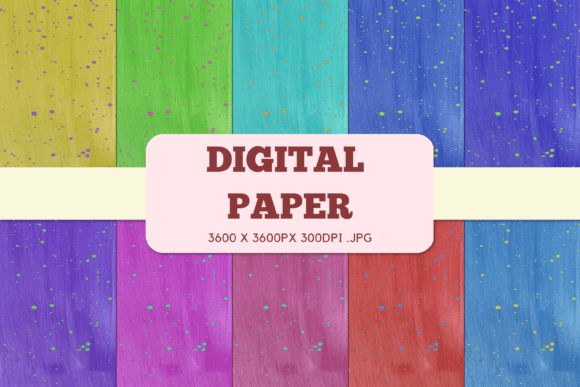
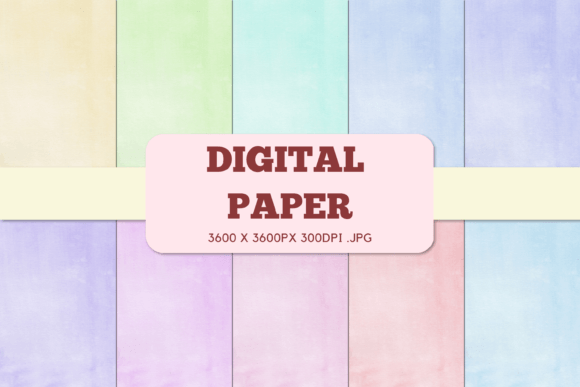
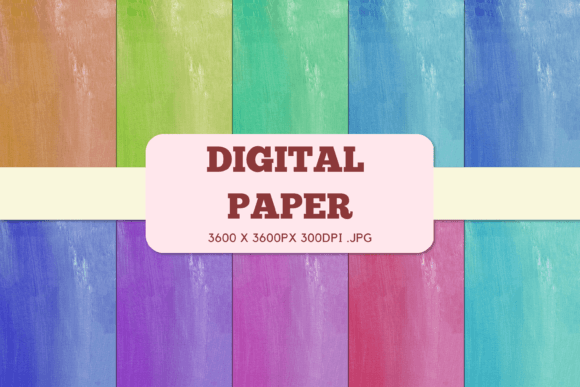
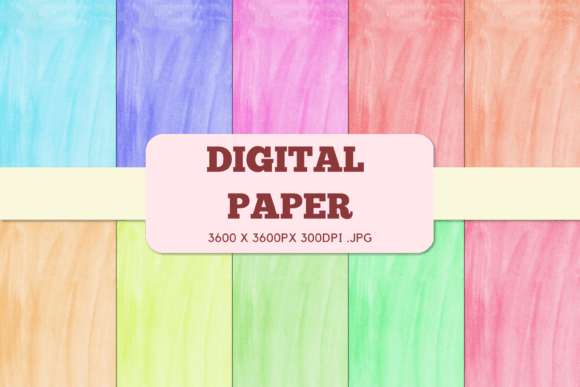
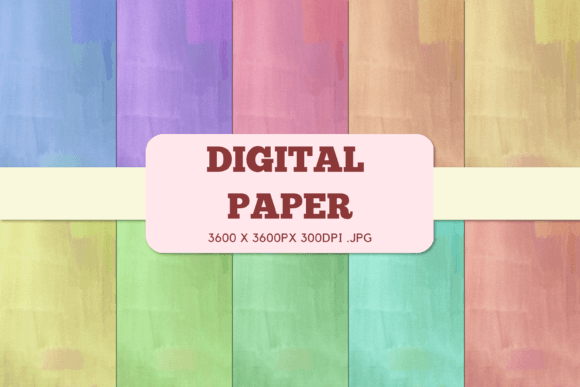
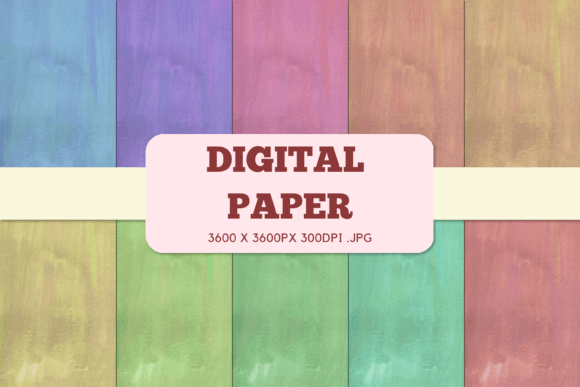
At its foundation, Dry 7 Digital Paper Watercolor consists of a curated bundle of ten distinct files. While ten may seem like a modest quantity compared to massive "thousands-in-one" bundles, the value lies in the technical specifications and the intentional curation of each piece. Each file is provided in JPG format with dimensions of 12×12 inches at a resolution of 3600×3600 pixels. Crucially, these files boast a density of 600 DPI (dots per inch).
The significance of 600 DPI cannot be overstated in professional printing contexts. Standard commercial printing often operates at 300 DPI, while high-end fine art prints may require even higher densities. By providing assets at double the standard resolution, this bundle ensures that when you scale designs down for items like business cards or phone cases, the image retains crispness. Conversely, if you plan to use these patterns for large-format prints such as wall murals, blankets, or throw pillows, the high pixel count prevents the common issue of pixelation or blurriness that plagues lower-resolution digital downloads.
The "watercolor" aspect refers to the visual texture—soft edges, pigment granulation, and organic color bleeding—that mimics traditional hand-painted techniques. Unlike flat vector graphics or rigid geometric patterns, watercolor textures introduce an element of human imperfection and warmth. This makes them particularly effective for brands aiming to convey authenticity, craftsmanship, or emotional connection.
Comparing Digital Papers to Other Design Elements
When constructing a design, creators often choose between vector graphics, photographic overlays, and patterned digital papers. Dry 7 Digital Paper Watercolor occupies a unique middle ground. Vector graphics offer infinite scalability but can sometimes feel too sterile or corporate. Photographs provide realism but lack the abstract flexibility needed for background layers or subtle texturing.
In comparison to standard digital paper packs found on generic marketplaces, which often suffer from inconsistent lighting or low-quality compression artifacts, this bundle stands out due to its uniform high resolution. Many alternative options require users to stitch together multiple images or accept visible seams when tiling patterns. The 12×12 inch standard size is widely compatible with major design software such as Adobe Photoshop, Illustrator, Canva, and Cricut Design Space, allowing for seamless integration into existing workflows.
Furthermore, consider the difference between using these digital papers for purely digital displays versus physical printing. On a screen, the soft gradients of watercolor translate well, enhancing social media posts or e-commerce product backgrounds. However, the true test of any digital paper is its performance in print. Because these files are 600 DPI, they are engineered to withstand the ink absorption processes of sublimation and dye-sublimation printers. When transferred to polyester fabrics for T-shirts or mugs, the colors remain vibrant without becoming muddy—a common failure point with lower-grade digital assets.
Versatility Across Diverse Project Types
The marketing claims surrounding Dry 7 Digital Paper Watercolor suggest broad applicability, ranging from stickers to book covers. An evaluation of these use cases reveals where the product truly excels and where it might face limitations.
Apparel and Sublimation
Sublimation printing requires designs that can withstand heat and transfer seamlessly onto synthetic fibers. The high resolution of these watercolor papers ensures that when printed on polyester T-shirts, hoodies, or blankets, the texture does not break up. For example, a designer creating a line of bohemian-style home decor could use these papers as full-coverage backgrounds for throw pillows. The organic nature of the watercolor complements the softness of fabric better than hard-edged geometric patterns would.
Stationery and Print-On-Demand
In the realm of stationery, Dry 7 Digital Paper Watercolor offers significant utility. Business cards, invitations, and letterheads benefit from the subtle elegance of watercolor textures. Because the files are large enough to be cropped, a designer can extract a specific color palette or texture detail to use as a watermark or accent border on a white business card. This adds a layer of sophistication that plain solid colors cannot achieve. Similarly, for printable planners or journal inserts, these papers provide a calming visual backdrop that encourages readability without distracting from the text.
Scrapbooking and Physical Crafts
For hobbyists engaged in physical scrapbooking, the ability to print these digital papers at home or through a local print shop allows for custom-sized photos and decorations. The 12×12 inch format is the industry standard for scrapbook pages, making these files immediately usable. Creators can print multiple copies on cardstock, cut them into shapes, and adhere them to albums. The 600 DPI quality ensures that when viewed up close, the paper shows no graininess, maintaining the illusion of a professionally printed magazine page.
Digital Media and Branding
Social media managers and content creators can utilize these images as headers, story backgrounds, or blog post featured images. In a digital feed saturated with sharp, high-contrast photography, a soft watercolor texture can serve as a visual palate cleanser, drawing the eye through contrast. Additionally, for logo design, these papers can be used as texture overlays on vector logos to give them a stamped or vintage appearance, adding character to brand identities.
Tradeoffs and Limitations to Consider
No single resource fits every scenario, and being aware of the limitations of Dry 7 Digital Paper Watercolor is vital for informed decision-making. First, the format is strictly JPG. While JPG is universally compatible, it is a lossy compression format. If your workflow requires non-destructive editing, transparency, or vector scaling, you may find yourself needing to convert these files or supplement them with other asset types. For instance, if you need to remove the background of a watercolor element to place it over another image, a JPG will leave a white box around it, requiring additional editing work in Photoshop or similar software.
Secondly, the aesthetic is specific. Watercolor textures are inherently soft and fluid. They may not be suitable for projects requiring a minimalist, industrial, or tech-forward aesthetic. If your brand identity relies on sharp lines, bold contrasts, and futuristic themes, these organic papers might clash with your visual language. It is important to assess whether the mood conveyed by the watercolor style aligns with your project goals.
Finally, while 600 DPI is excellent, it does not replace the need for proper color management. The way colors appear on a calibrated monitor may differ slightly from how they print on different paper stocks or fabrics. Always perform a test print before committing to large runs of products like packaging or bulk apparel.
Decision Factors: Is This the Right Choice?
Choosing between Dry 7 Digital Paper Watercolor and other alternatives depends on your specific needs regarding quality, budget, and workflow. If you are a beginner looking for easy-to-use, high-quality backgrounds that require no further editing, this bundle is a strong candidate. The high resolution saves you from the frustration of blurry prints, and the JPG format ensures compatibility with almost any device or software.
However, if you are a professional graphic designer working on complex composite illustrations, you might prefer vector-based watercolor brushes or PNG files with transparent backgrounds. These alternatives offer greater flexibility in layering and manipulation. Similarly, if you are on a tight budget and only need occasional use, purchasing a dedicated bundle might be less cost-effective than subscribing to a stock image platform that includes these textures among thousands of others.
For small business owners in the handmade or print-on-demand space, however, the balance of quality and utility tips the scales in favor of this type of specialized bundle. The assurance of 600 DPI resolution means fewer wasted prints and higher customer satisfaction. The versatility across mediums—from digital social media posts to physical mugs and blankets—maximizes the return on investment for each file purchased.
Conclusion
Dry 7 Digital Paper Watercolor represents a thoughtful intersection of artistic style and technical precision. It is not just a decorative add-on but a foundational tool for creators who value texture and quality. By understanding its strengths in high-resolution printing and its limitations in format flexibility, you can integrate these assets effectively into your creative process. Whether you are enhancing a personal scrapbook or launching a branded merchandise line, these digital papers offer a reliable path to achieving a polished, professional look.