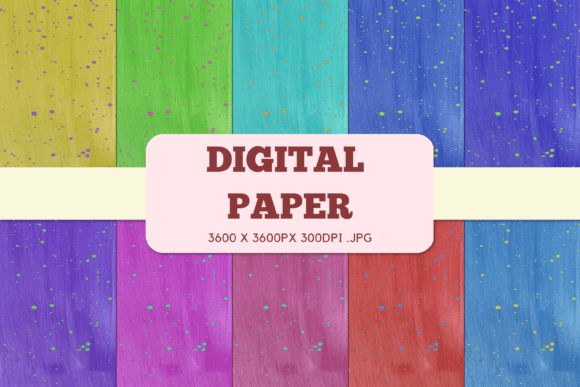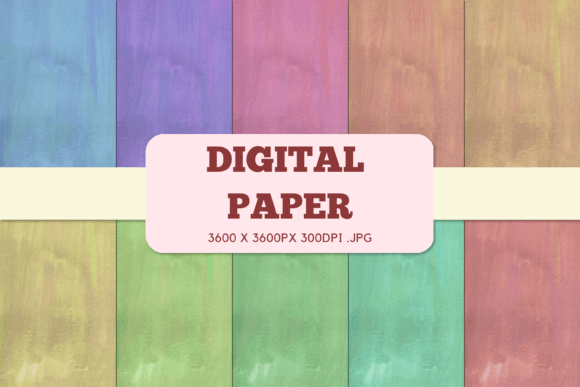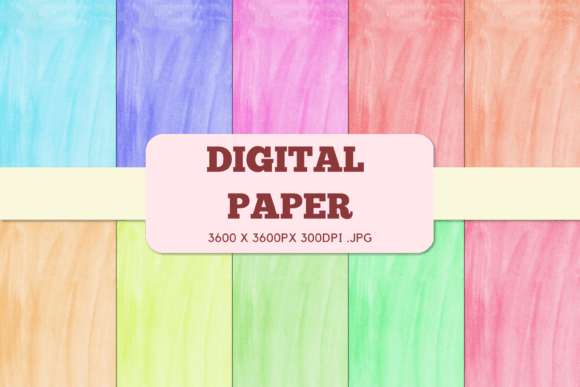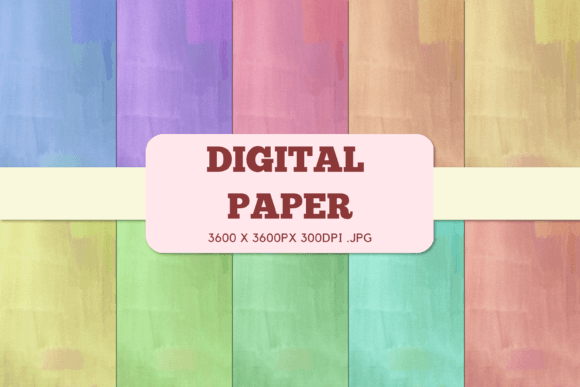
Evaluating the Soft 12 Digital Paper Watercolor Bundle for Creative Projects
In the landscape of digital design resources, finding high-quality assets that bridge the gap between artistic authenticity and technical precision is often a challenge. Many creators struggle with images that look artificially generated or lack the resolution required for professional print outputs. The Soft 12 Digital Paper Watercolor bundle emerges as a specific solution to this problem, offering a collection of textures designed to enhance both digital and physical products. For adults aged 20–50 who are actively researching design tools, evaluating print-on-demand options, or seeking reliable assets for scrapbooking and branding, understanding the nuances of this product is essential before making a purchase.
This analysis explores what makes the Soft 12 bundle distinct, how it compares to other digital paper categories, and which projects benefit most from its specific technical specifications. By examining the tradeoffs between convenience, quality, and versatility, readers can determine if this resource aligns with their creative workflow.
Understanding the Core Specifications
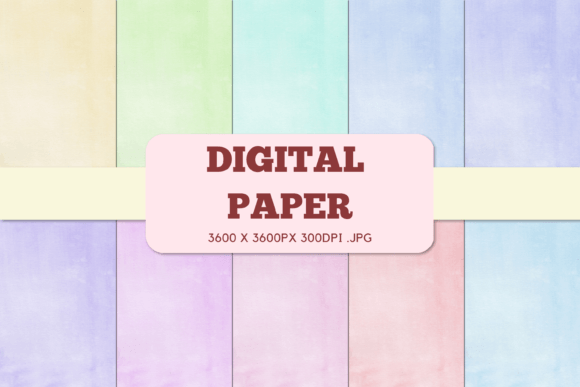
The foundation of any digital asset’s utility lies in its file structure and resolution. The Soft 12 Digital Paper Watercolor pack consists of ten individual JPG files, each measuring 12×12 inches at a resolution of 3600×3600 pixels. This results in a density of 600 DPI (dots per inch). To put this into perspective, standard web images typically operate at 72 or 96 DPI, while professional printing standards usually require 300 DPI. At 600 DPI, these files offer exceptional clarity, allowing for significant cropping without pixelation.
This high resolution is particularly relevant for users engaging in sublimation, large-format printing, or detailed scrapbooking. When a designer needs to scale a texture to fit the back of a t-shirt or the cover of a hardcover book, lower-resolution assets often blur or distort. The 600 DPI specification ensures that the subtle gradients and brush strokes characteristic of watercolor remain crisp. Furthermore, the JPG format provides broad compatibility across various design software platforms, from Adobe Photoshop and Illustrator to Canva and Cricut Design Space, reducing technical friction during the creation process.
Comparing Watercolor Textures to Other Digital Paper Styles
When evaluating digital papers, consumers often encounter several distinct categories: geometric patterns, vintage distressed textures, solid color fills, and painterly watercolors. Each style serves a different aesthetic purpose, and understanding where Soft 12 fits within this spectrum helps in making an informed decision.
Aesthetic Versatility vs. Specificity
Geometric patterns are highly structured and work well for modern, minimalist designs. In contrast, watercolor textures like those in the Soft 12 bundle introduce organic irregularity. They mimic the way pigment bleeds into paper, creating soft edges and natural color variations. This makes them ideal for projects requiring a handcrafted, artisanal feel. However, this organic nature can be a limitation if a project demands strict symmetry or rigid alignment. For instance, while watercolor backgrounds might beautifully frame a wedding invitation, they may clash with a tech-focused business card that requires clean lines and precise borders.
Digital-First vs. Print-Ready Assets
Many online resources offer "digital-only" papers optimized for screen viewing. These often use vibrant, saturated colors that pop on monitors but may appear muddy or inaccurate when printed due to color profile differences (RGB vs. CMYK). The Soft 12 bundle is marketed toward both digital and print applications. Its high DPI suggests it is engineered for print fidelity. However, designers should always proof their prints, as monitor calibration varies. Compared to free, low-resolution alternatives found on general image search engines, paid bundles like Soft 12 offer legal safety and consistent quality, avoiding the risk of using copyrighted or blurry assets that compromise brand professionalism.
Ideal Use Cases and Practical Applications
The versatility of the Soft 12 Digital Paper Watercolor pack allows it to serve multiple industries. Below are specific scenarios where this resource demonstrates clear value.
- Print-on-Demand (POD) Products: Entrepreneurs selling on platforms like Etsy or Redbubble often need unique backgrounds for t-shirts, mugs, and pillows. The watercolor texture adds depth to simple typography, making a quote or logo stand out. Because the files are 12x12 inches, they can be tiled or cropped to fit various product dimensions seamlessly.
- Scrapbooking and Printable Art: Hobbyists who create custom layouts appreciate the ability to layer textures. The soft tones of these papers allow for easy integration with photos and journaling cards. Additionally, because the files are printable, users can create physical stationery, such as invitations or gift tags, directly from home printers without needing expensive specialty paper stocks initially.
- Branding and Packaging: Small businesses looking for eco-friendly or artisanal branding aesthetics can use these watercolor textures for product packaging labels or social media post backgrounds. The organic feel reinforces narratives of natural ingredients, handmade goods, or wellness products.
- Sublimation Projects: For those transferring designs onto ceramics or textiles, the 600 DPI resolution ensures that the final transfer retains detail. Blurry sublimation prints are a common frustration; starting with a high-density source file mitigates this risk.
Evaluating Tradeoffs and Limitations
No single resource is perfect for every situation. When considering the Soft 12 bundle, it is important to weigh its strengths against potential limitations.
File Format Constraints
The bundle includes JPG files rather than PNGs with transparent backgrounds. This means the watercolor textures will have a solid white background unless manually edited in software. For experienced designers, removing the white background is a straightforward task using selection tools. However, for beginners, this adds an extra step to the workflow. If a user requires ready-to-layer assets with transparency, they might find this requirement cumbersome compared to bundles that offer PNG formats.
Color Palette Consistency
Watercolor art is inherently variable. While the Soft 12 bundle likely maintains a cohesive theme, the organic nature of the medium means exact color matching across all ten files may not be possible. If a brand requires strict Pantone matching or identical hue consistency across a series of products, a vector-based or digitally painted solid-color pack might be more suitable. Users should review previews carefully to ensure the color temperature (warm vs. cool) aligns with their project’s mood.
Licensing and Usage Rights
While not explicitly detailed in the technical specs, digital paper bundles often come with specific licensing terms regarding commercial use. It is crucial to verify whether the license allows for resale of physical products created with the papers. Some licenses restrict the number of items sold or prohibit the direct redistribution of the digital files themselves. Comparing the licensing terms of Soft 12 against other providers is a necessary step to avoid legal issues, especially for businesses scaling up production.
Decision Factors: Is Soft 12 the Right Choice?
Determining whether to invest in the Soft 12 Digital Paper Watercolor bundle depends on your specific project needs and technical comfort level. Consider the following decision matrix:
- Do you need high-resolution print assets? If yes, the 600 DPI/3600px spec is a strong advantage over standard web graphics.
- Is your aesthetic goal organic and handcrafted? If your brand or project relies on a soft, artistic vibe, watercolor textures are superior to geometric or stark digital patterns.
- Are you comfortable basic editing? If you need to remove white backgrounds or adjust opacity, you should be willing to use basic photo editing tools. If you prefer plug-and-play assets, the JPG format might require more effort than expected.
- What is your volume of production? For occasional hobbyists, the cost-per-use is low. For high-volume POD sellers, the durability and reusability of the files justify the initial investment, provided the license permits commercial resale.
Alternatives exist in the form of subscription-based design libraries or vector packs. Subscription services offer vast variety but may lack the specialized high-DPI focus of a dedicated bundle. Vector packs offer infinite scalability but often lack the textural realism of raster watercolor images. The Soft 12 bundle occupies a middle ground, offering specialized quality for a one-time acquisition.
Conclusion on Utility and Value
The Soft 12 Digital Paper Watercolor bundle represents a practical tool for creatives seeking to elevate their projects with authentic, high-quality textures. Its technical specifications, particularly the 600 DPI resolution, make it suitable for demanding print applications like sublimation and large-format displays. While the JPG format requires some basic editing skills for layered designs, the tradeoff is broad compatibility and ease of access. By carefully assessing your aesthetic goals, technical capabilities, and licensing requirements, you can determine if this resource enhances your current workflow or if another format better suits your immediate needs.