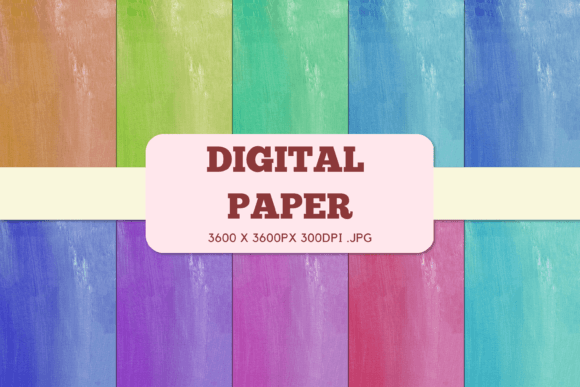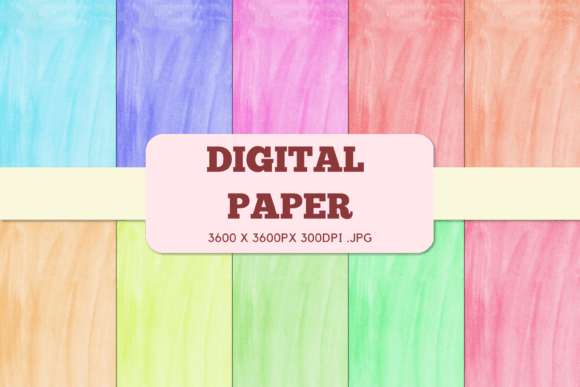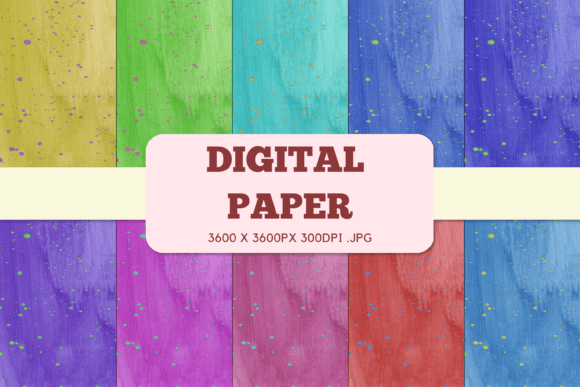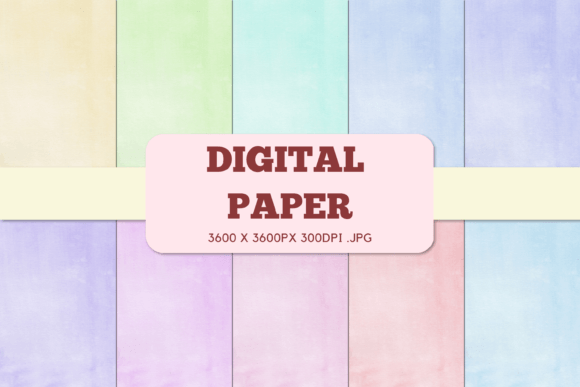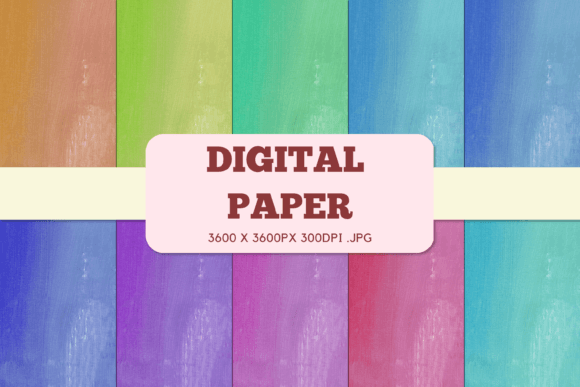
Sweet 15 Digital Paper Watercolor
In a digital landscape saturated with generic templates and mass-produced visuals, the ability to curate distinct, high-quality assets is no longer just an aesthetic preference—it is a strategic necessity. For entrepreneurs, designers, educators, and small business owners, the difference between a project that feels amateurish and one that commands trust often lies in the details. This is where Sweet 15 Digital Paper Watercolor enters the conversation not merely as a collection of images, but as a foundational tool for intentional design and brand positioning.
This bundle represents a specific intersection of artistic texture and technical precision. It offers ten high-resolution JPG files, each sized at 12×12 inches with a resolution of 3600×3600 pixels at 600 DPI. While the visual appeal of watercolor textures is undeniable, the true value proposition for professionals and serious hobbyists lies in the versatility these assets provide across diverse mediums. From physical product manufacturing to digital marketing campaigns, the application of these papers can elevate the perceived value of your output significantly.
The Strategic Value of High-Resolution Texture Assets
Before diving into specific use cases, it is essential to understand why resolution and format matter in modern production workflows. Many digital assets found online are optimized for screen display (72–96 DPI), which renders them pixelated when printed at larger sizes or viewed on high-density displays. The inclusion of 600 DPI in the Sweet 15 Digital Paper Watercolor pack addresses this critical bottleneck.
For sublimation printing, direct-to-garment (DTG) transfers, and large-format printing, image clarity is paramount. A 600 DPI file ensures that the subtle gradients and soft edges characteristic of watercolor art remain crisp, even when scaled up for pillows, blankets, or wall decor. This level of detail signals quality to the consumer before they even touch the product. In branding, visual fidelity is synonymous with reliability. When a customer receives a mug or a book cover with blurry or jagged edges, it subconsciously undermines their confidence in the entire brand. Conversely, sharp, textured imagery suggests care, attention to detail, and professional standards.
Diversifying Revenue Streams Through Versatile Applications
One of the most compelling reasons to incorporate Sweet 15 Digital Paper Watercolor into your workflow is its adaptability across multiple revenue channels. Rather than creating unique artwork for every single product, you can leverage these versatile backgrounds to create cohesive collections. This approach reduces creative fatigue while maintaining a consistent brand identity.
Physical Product Creation
For those operating in the e-commerce space, particularly on platforms like Etsy or Shopify, product differentiation is key. These digital papers serve as excellent backdrops for:
- Apparel and Accessories: Use the textures as full-wrap designs for t-shirts or as background layers behind logos for tote bags and phone cases.
- Home Decor: Sublimating these high-DPI images onto throw pillows, blankets, or ceramic mugs allows for a soft, artistic aesthetic that appeals to home buyers looking for warmth and character.
- Packaging: Product packaging is often the first physical touchpoint a customer has with your brand. Using these watercolor textures for box liners, tissue paper, or shipping labels can turn unboxing into a memorable experience.
Digital and Print Media
The utility extends beyond physical goods. In the realm of content creation and publishing, these assets streamline the design process:
- Scrapbooking and Printable Art: Hobbyists and digital planners rely heavily on high-quality textures. These papers can be used directly in digital scrapbooking software or printed for physical journals.
- Invitations and Stationery: For event planners and stationery designers, watercolor textures add a layer of elegance to wedding invitations, baby shower cards, and business cards without requiring complex illustration skills.
- Social Media Content: Consistency in feed aesthetics drives engagement. By using a limited palette of these digital papers as backgrounds for quotes, announcements, or product highlights, creators can maintain a recognizable visual language across Instagram, Pinterest, and Facebook.
Intentional Design: Moving Beyond Random Application
Having access to high-quality assets is only half the equation; the other half is knowing how to deploy them strategically. A common pitfall among beginners is "asset dumping"—using too many competing textures in a single design, which results in visual noise rather than harmony. To achieve better results, consider the following planning principles.
Contextual Alignment is crucial. Watercolor evokes specific emotions: softness, creativity, nostalgia, and organic growth. Therefore, these papers are best suited for brands and projects that wish to communicate these values. They may be less appropriate for tech startups seeking a sleek, minimalist, or corporate aesthetic. Instead, they shine in niches such as wellness, artisanal food products, children’s education, boutique retail, and creative services.
Layering and Integration require thoughtful execution. Do not simply slap text over a busy watercolor background. Instead, treat the digital paper as a base layer. You might overlay a semi-transparent white or black shape to create a readable zone for text, or combine the watercolor texture with geometric elements to balance organic flow with structured design. This technique ensures that your message remains clear while the aesthetic supports it.
Risk Mitigation and Ethical Considerations
While the benefits are clear, there are risks associated with relying on stock digital assets if not managed correctly. The primary risk is market saturation. Because these bundles are available to multiple users, there is a chance that competitors may use identical or very similar backgrounds. To mitigate this, avoid using the digital paper as the sole distinctive feature of your brand. Instead, integrate it into a broader design system that includes custom typography, unique iconography, and proprietary color adjustments.
Another consideration is licensing and commercial rights. Always verify the terms of use for the Sweet 15 Digital Paper Watercolor pack. Ensure that you are permitted to use the files for commercial resale, particularly if you are selling physical products. Some licenses restrict the number of items sold or prohibit the resale of the digital files themselves. Adhering to these guidelines protects your business from legal complications and maintains ethical standards within the creative community.
Long-Term Value and Workflow Efficiency
From an operational standpoint, investing in a high-quality bundle like this can improve long-term productivity. Creating original watercolor textures from scratch is time-consuming and requires specialized artistic skills. By utilizing pre-made, high-resolution assets, designers and business owners can allocate more time to strategy, marketing, and customer engagement rather than starting every project from a blank canvas.
Furthermore, the consistency provided by a curated set of ten complementary papers allows for rapid prototyping. When launching a new product line or a seasonal campaign, having a reliable library of textures enables faster turnaround times. This agility is particularly valuable for small business owners who need to respond quickly to market trends without sacrificing quality.
Conclusion
The decision to incorporate Sweet 15 Digital Paper Watercolor into your toolkit should be driven by a clear understanding of your goals. Whether you are looking to enhance the tactile quality of physical products, streamline your digital content creation, or add a touch of artistic flair to your branding, these assets offer a practical solution. However, success depends on intentional use. By respecting the technical specifications, aligning the aesthetic with your brand voice, and avoiding over-reliance on any single element, you can leverage these digital papers to create work that is not only visually appealing but also strategically sound.
In essence, these digital papers are not just images; they are building blocks for a cohesive visual narrative. Used wisely, they help bridge the gap between concept and execution, allowing creators to focus on delivering value to their audience while maintaining a professional and polished appearance across all touchpoints.